 Trinity Sky
Time is First-Class
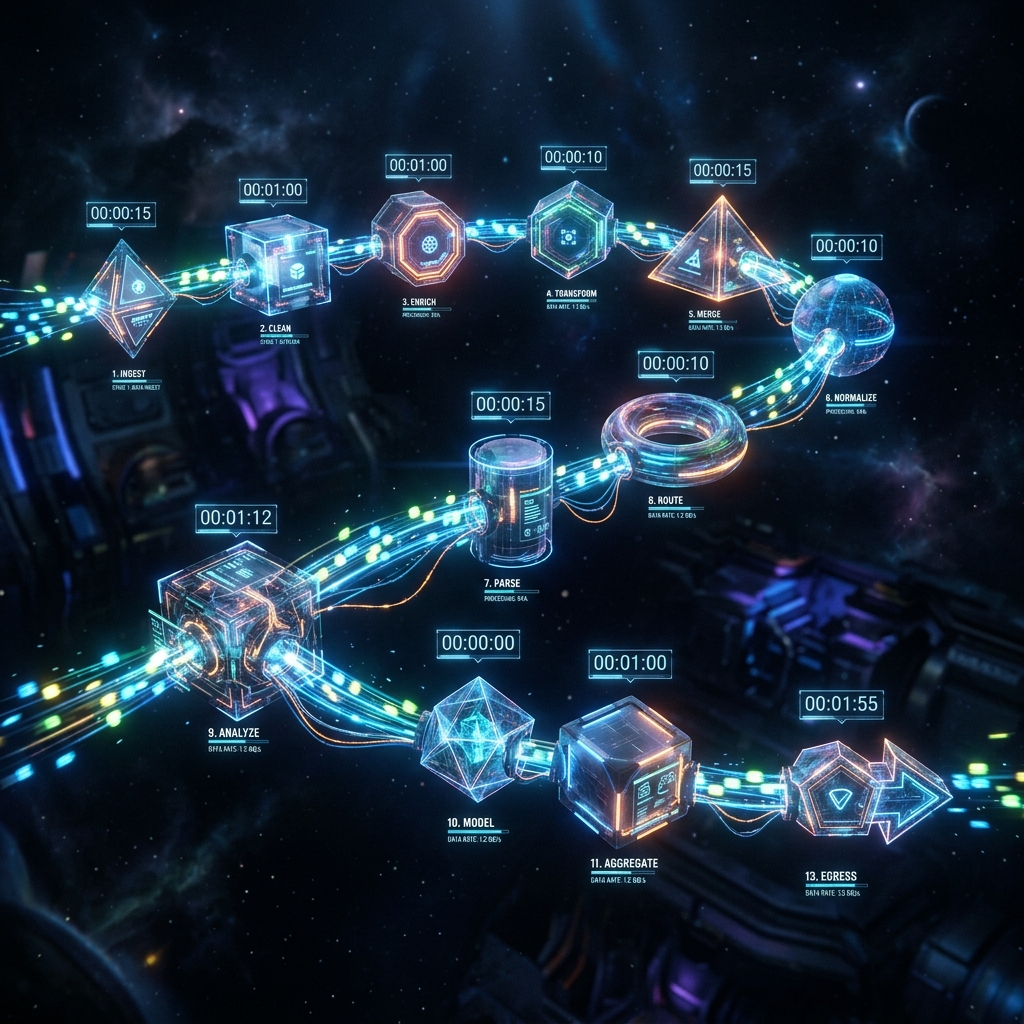
The consciousness pipeline keeps every stage on a strict real-time clock, so answers arrive on time, every time. Intelligence is rhythmically coherent, not eventually consistent.
Technology Overview
Brain-inspired, ultra-low-power compute. NEOMORPHIC™ memory with exact recall. An intelligent distributed mesh. One real-time rhythm. Zero surrender of data sovereignty.
A New Paradigm
Five architectural commitments that define the coherence platform.
The consciousness pipeline keeps every stage on a strict real-time clock, so answers arrive on time, every time. Intelligence is rhythmically coherent, not eventually consistent.
Our patented NEOMORPHIC™ memory stores structured knowledge and recalls it exactly. Partial cues retrieve complete associations — the way biological memory works, not databases.
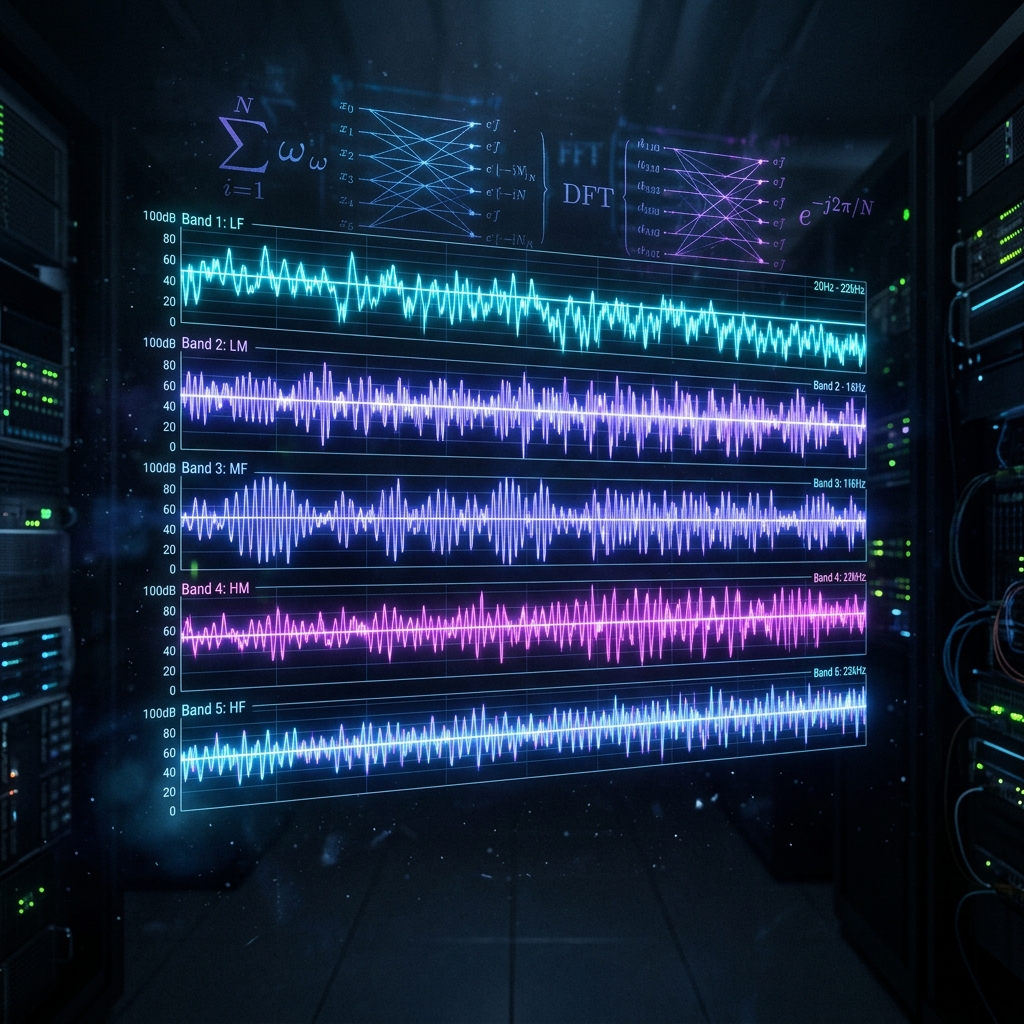
Patent-pending mathematics delivers provably optimal error correction and routing. Mesh peers find each other directly, not through DNS round-robin.
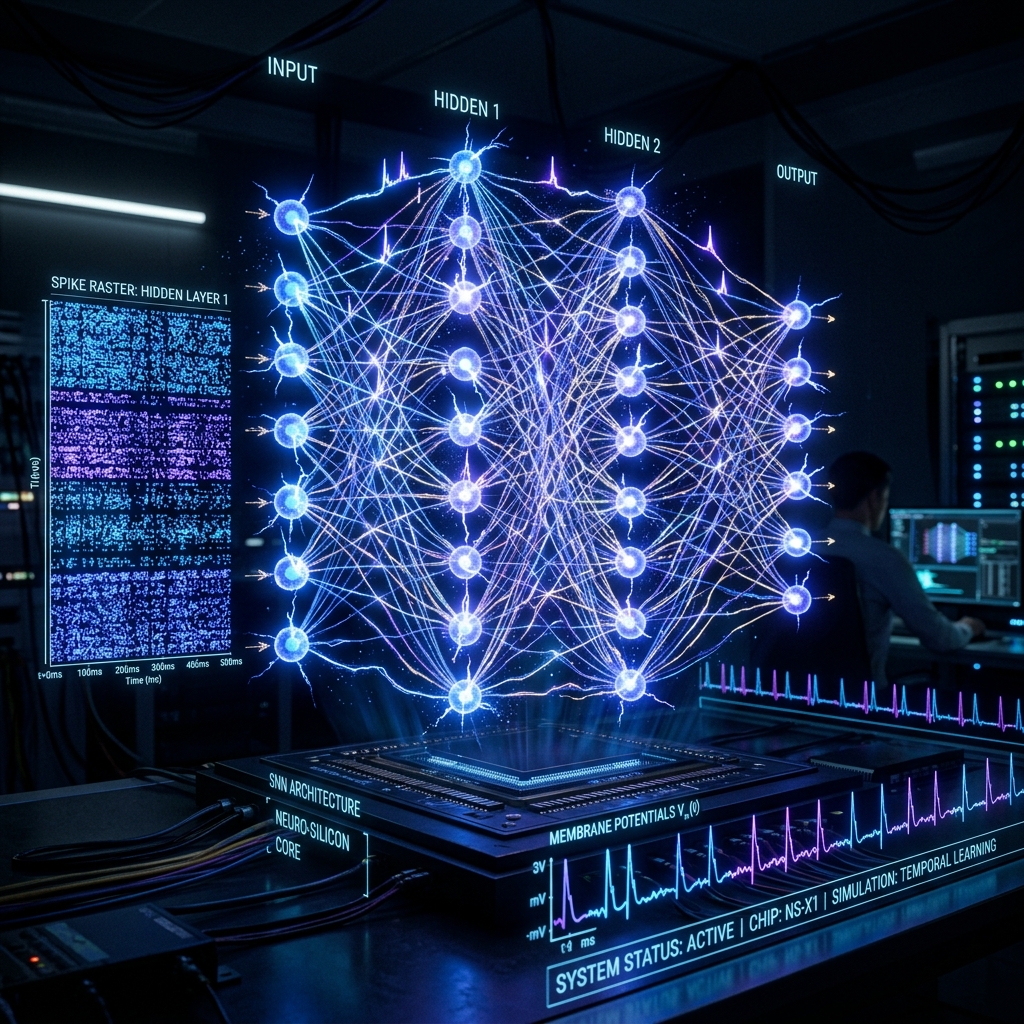
Brain-inspired, ultra-low-power compute only does work when there is something to process. Energy scales with information content, not with clock cycles.
Air-gap mode, local-first inference, and six-layer defense-in-depth are not features — they are load-bearing walls of the entire platform.
Seven Pillars
Each pillar is independently valuable; together they form a coherence platform no single pillar can replicate.
Pillar I
Thirteen stages, each on a strict real-time clock. From system synchronization through exact memory recall to structured output — biological rhythm as a hard constraint.
Proprietary synchronization across all agent nodes with hardware acceleration.
CUDA / MetalAdvanced analysis of cognitive state with hardware acceleration.
hardware accelerationProprietary memory retrieval via optimized low-level execution.
Rust NIFStructured response generation following stringent internal coherence checks.
Phoenix APIPillar II
A complete brain-inspired, ultra-low-power compute stack running natively on Apple Silicon, with a bridge to next-generation low-power chips.
Pillar III
Our patented memory architecture replaces flat vector stores with structured long-term memory. Exact recall, recovery from partial cues, and predictable capacity.
Pillar IV
Patent-pending mathematics defines the routing topology for optimal mesh efficiency. Nodes reach agreement on their own, with no central coordinator.
Pillar V
Quantum-inspired algorithms for discovery, stability, and routing — all running on classical GPUs with today's leading quantum frameworks. No quantum computer required.
Pillar VI
Six-layer defense-in-depth security mesh: perimeter defense, secure routing, internal protection, approval gates, secret management, and continuous security validation.
Pillar VII
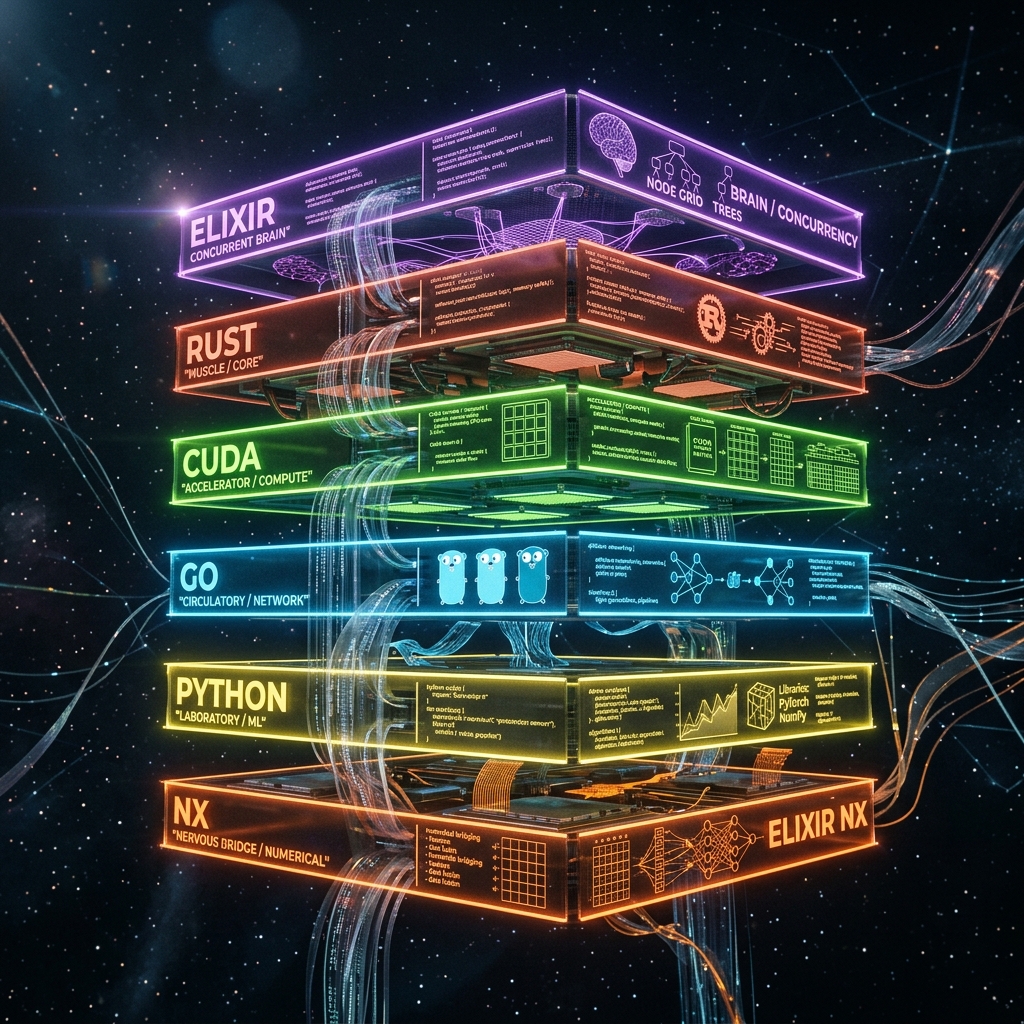
Proprietary programming language for hardware, enabling seamless compilation to multiple execution environments. Open architecture map →
Dual Substrate
The same cognitive stack runs on a $4K laptop or a datacenter rack.
| Component | Sovereign Edge (M4 Max) | Mesh Compute (GB200 Node) |
|---|---|---|
| CPU | 16-core (12P + 4E) | 2x Grace Neoverse V2 (72 cores each) |
| GPU | 40-core Metal 3 | 4x Blackwell RTX PRO 6000 |
| Memory | 48 GB LPDDR5 unified | 480 GB LPDDR5X + 384 GB GDDR7 |
| Bandwidth | 546 GB/s | ~7.2 TB/s aggregate |
| FP64 Pipeline | Accelerate AMX | 256-bit aggregate (4x 64-bit) |
| Primary Workload | Full cognitive stack | Bare-metal memory engine, GPU-accelerated |
| Power | ~30 W | ~2.4 kW |
| Sovereignty | Complete local | Mesh peer + local |
Common Questions
Dive deeper into memory, architecture, or download the technical reference.